 by
by At Cosmetic Tattoo Studio Melbourne Face Figurati, clients often ask me how to make fine-line tattoos age well on Australian skin. way before we get to the design process. And I think it’s a fair question. Melbourne’s sun, and those blistering winters and dry out your skin, all play a big part in how your ink holds up over time – especially when you’re talking about tiny tattoos done with a single needle.
Even clients coming in for a lip tattoo in Melbourne, lip line work, or lip neutralisation ask about keeping their tattoos looking sharp for years to come – even those with lip liner tattoos. So today I want to run through what really helps those delicate lines stay crisp.
Contents
- 1 Why UV Exposure Matters More Than Most People Think
- 2 How Skin Behaviour Influences Healing And Longevity
- 3 Technique Makes A Bigger Difference Than Clients Realise
- 4 Aftercare Routine Protects Your Linework
- 5 Placement Plays A Huge Role In Long-Term Appearance
- 6 How Melbourne’s Weather Affects The Look Of Your Ink
- 7 A Data Snapshot That Explains Why Care Matters
- 8 A Final Thought — And An Open Invitation
- 9 FAQ
Why UV Exposure Matters More Than Most People Think
Now Melbourne may not feel like the tropics all the time, but our UV index says otherwise. According to the Cancer Council Australia, UV radiation is the cause of 80% of visible ageing, and it’s this same UV radiation that breaks down the pigment molecules in your ink – and that’s especially true for tiny tattoos where only a tiny amount of ink is deposited.
What UV Does To Delicate Lines
- It breaks down the pigment molecules
- It causes the ink to soften and diffuse
- It fades areas where there’s minimal ink density
- It affects the linework way faster than the shading
If you want your minimalist tattoos to stay crisp-looking, sun protection should be your number one priority.
How Skin Behaviour Influences Healing And Longevity
When I go into the biology of how fine lines heal, most people are surprised by just how much their own skin impacts the final result. Healing isn’t just about slapping on some ointment – it’s about keeping the skin hydrated, in balance and allowing it to regenerate naturally.
What We See Most Often
- If you have oily skin, your micro tattoos will soften way sooner
- If you have dry skin, it struggles to hold onto the ink consistently
- If you have mature skin, you’re better off coming to a studio that uses a gentler tattooing process
- And if you have sensitive skin, you want to go to a tattoo artist who uses minimal shading and keeps your skin nice and hydrated.
Whether you’re getting body art or a facial tattoo, your skin’s behaviour will affect the results.
Technique Makes A Bigger Difference Than Clients Realise
Longevity really starts with your tattoo artist – so yes, it’s a big ask to go to someone who actually understands the physics of applying fine lines. For a single needle tattoo, you’re looking for precision, steady machine settings, a good quality needle, and a really good understanding of how the needle works – and it’s all about making sure that the ink is deposited at just the right depth.
How To Be A Top-Tier Tattoo Artist
- Using single needle and bugpin needles for delicate strokes.
- Make sure your tattoo machine is set up to be stable.
- Ink flows smoothly from a good needle manufacturer.
- Minimise trauma to keep the healing phase as smooth as possible.
- Make sure you have proper training, or take a fine-line tattoo course.
Anybody who shows up to the studio with a design that’s got some intricate details – like architectural elements, celestial symbols, botanical illustrations, animal silhouettes, or geometric shapes – it’s all about technique then – one tiny wobble and the whole thing is off.
Aftercare Routine Protects Your Linework
When you get a tattoo with delicate fine-line work like lip liner tattoo, its healing time is shorter than a bold-line tattoo, but it’s a whole lot more fragile. That’s why treating it gently throughout the healing process is so crucial. It can help keep the pigment looking rich and the lines staying sharp.
What Your Tattoo Really Needs Right Now
Days 1-3
- Clean it gently – don’t scrub too hard
- Keep that wrap on as instructed
- Apply some ointment that is gentle on the skin and lets it breathe
Days 4-10
- Expect some flaking to happen
- Try not to scratch it – you’ll regret it
- Stick to some lightweight moisturisers
Days 11-30
- Your tattoo needs to stay hydrated
- Don’t forget the sunblock – your fine lines don’t have a natural tan
- Avoid using any harsh skincare products on that area
A lot of clients tell me that they find it’s way easier to take care of their cosmetic tattoo than their fine-line ink. And I’m not surprised – the lines are a lot less forgiving.
Placement Plays A Huge Role In Long-Term Appearance
Some places on the body are naturally better at keeping the ink looking sharp and clear, while other areas just invite it to blur and get all fuzzy because of how it’s moved or exposed to the sun.
Areas That Hold Sharpness
- Your collarbone
- The inside of your arm
- Your ribs
- Your forearms (but don’t forget to slap on the sunscreen)
Areas That Soften Faster
- Your fingers
- Your ankles
- Your wrists
- Your feet
If you come to me with custom designs like intricate geometric patterns or portraits made up of continuous lines, or if you want to explore themes like sacred geometry or celestial designs, I’ll always give you advice on where to place them so they stay crisp.
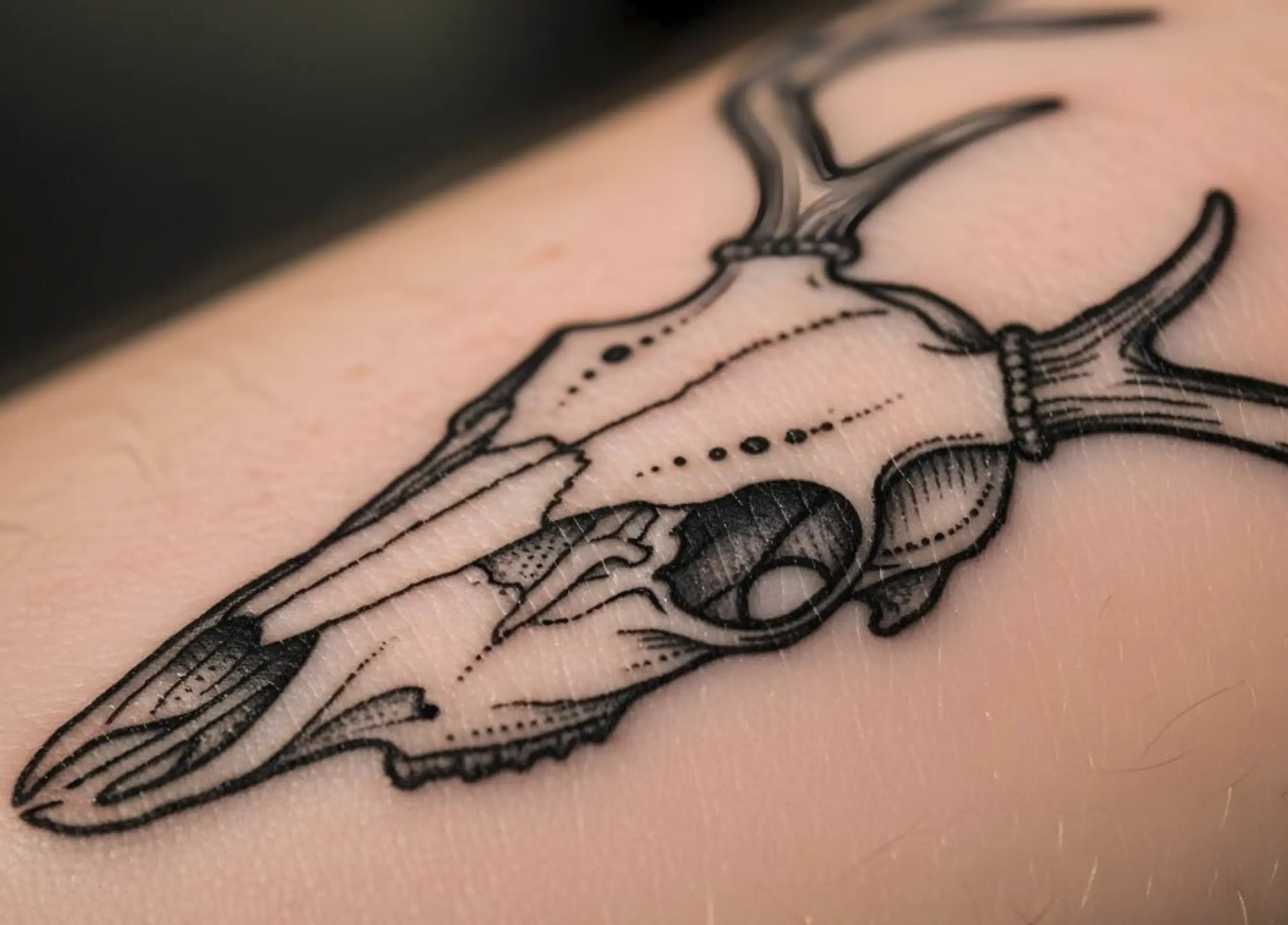
How Melbourne’s Weather Affects The Look Of Your Ink
Our weather can be a bit all over the place, but that doesn’t stop your skin from experiencing it all. The wind can dry it out, and the UV levels can make the ink look dull.
Practical Tips For Year-Round Care
- Summer: Slap on some SPF50 and reapply when you’re out in the sun.
- Winter: Counteract the dryness with extra moisturiser.
- Spring and Autumn: A gentle exfoliation after it’s all healed is just what the doctor ordered.
Even my facial tattoo clients – whether that’s searching a lip neutralization near me or something else entirely – find that Melbourne’s weather has a big say in how well the tattoo stays looking vibrant.
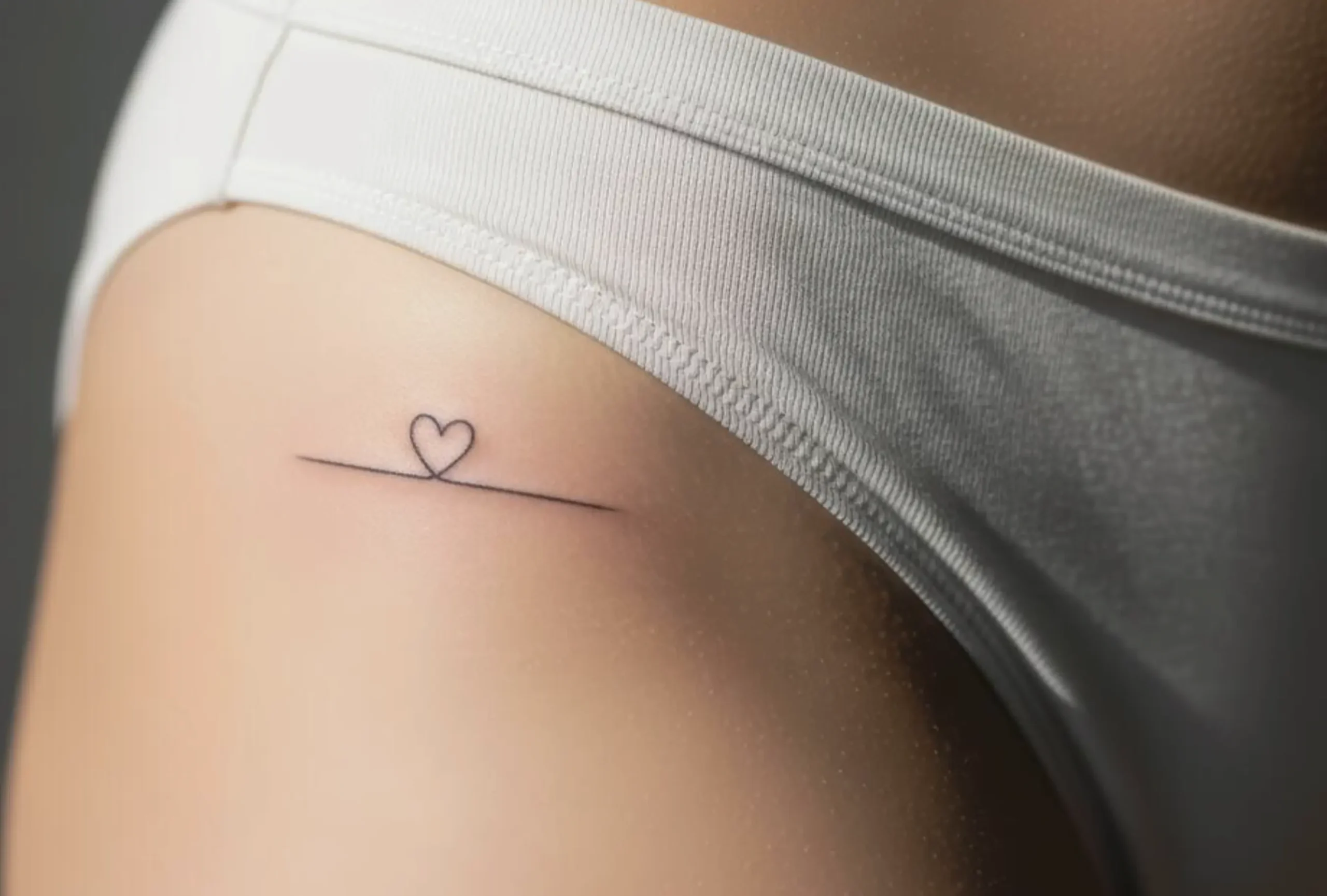
A Data Snapshot That Explains Why Care Matters
| Factor | Statistic | Why It Matters |
|---|---|---|
| UV Index | Among the highest globally | Accelerates fading |
| Cellular turnover | Every 28–40 days | Affects shallow ink retention |
| Moist wound healing | Up to 50% better retention | Sharper healed lines |
| Winter dryness | 30% higher in southern Australia | Increases dulling |
A Final Thought — And An Open Invitation
Your tattoo journey doesn’t really wrap up once you stroll out the studio door – longevity is a two-way street between your tattoo artist and your daily routines. Whether you’re into super delicate flowers, some far-out celestial designs, abstract ink work that’s a bit wild, or slab-on-geometric shapes, the bottom line is that taking proper care of it will keep it looking sharp.
If you’re thinking about getting some new body art done, or maybe fine-tuning some work you already have, like a lip liner or lip neutralisation, for instance, or even teaching yourself a thing or two with a fine line tattoo course, then just give me a shout. I work at Cosmetic Tattoo Studio Melbourne Face Figurati, and I’m always here to lend a hand to make sure your art looks its best for years to come.
FAQ
Do smaller needle tattoos tend to fade more quickly?
Yes, they do – single needles create pretty delicate lines with less ink in them, so you need to be pretty strict with your aftercare and make sure you’re protecting your skin from the sun.
Do these teeny tiny tattoos blur out more quickly?
Yeah, they can. Because they’re so tiny, they’re just much more sensitive to the elements and the state of your skin.
Is looking after your skin from the sun really that crucial?
Absolutely, it is. The sun is the single biggest cause of your design looking a bit worn out too soon.
Can I get a little touch-up for a soft design that’s gone a bit flat?
Yeah, you can. Loads of people refresh their sacred geometry, botanical illustrations and whatnot every 2 – 5 years.
What kinds of designs tend to age the best?
Generally speaking, a design with simple geometric shapes, a minimalist look and feel, or an animal silhouette tends to keep their shape for a good long while.

